
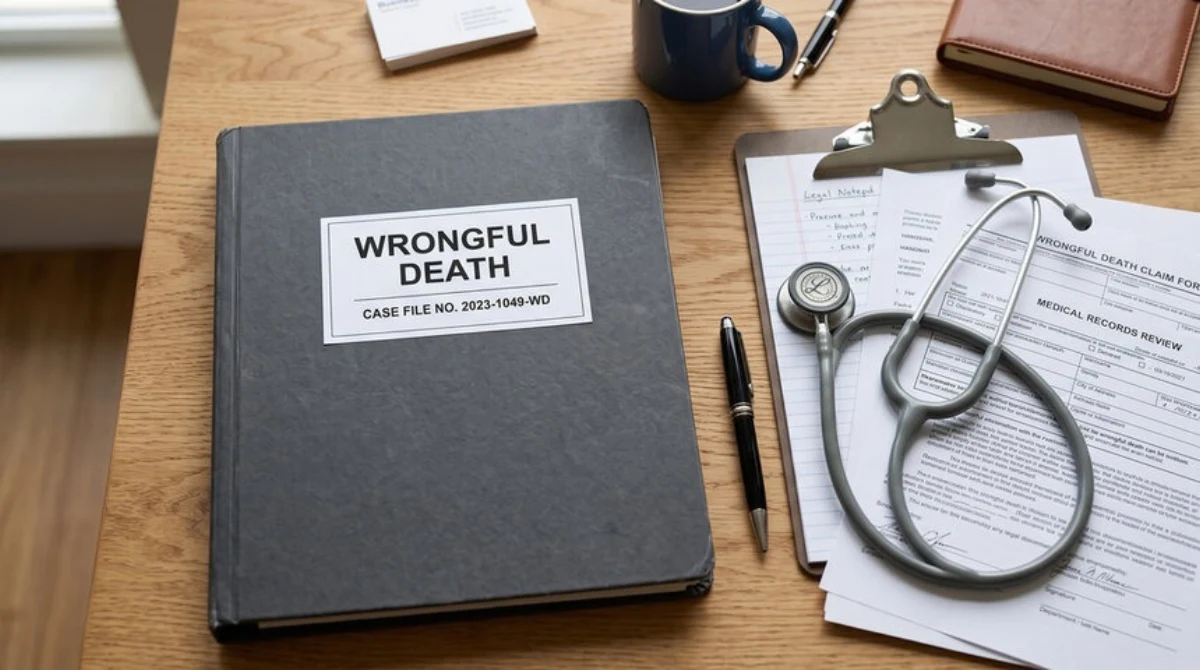
Medical professionals are trusted to provide patients with safe, appropriate, and timely treatment. However, when doctors, nurses, surgeons, or hospitals make preventable mistakes, the consequences can sometimes be fatal. When a healthcare provider’s negligence causes a patient’s death, surviving family members may have grounds to pursue a wrongful death lawsuit in Miami, Florida.
Medical negligence can involve misdiagnosis, surgical errors, medication mistakes, delayed treatment, or failure to monitor a patient’s condition. Although not every unexpected medical outcome qualifies as malpractice, families may have legal options when a healthcare professional’s failure to meet the accepted standard of care contributes to a preventable death.
Understanding Florida’s medical malpractice laws, available compensation, and the legal process can help families make informed decisions. With assistance from experienced attorneys, families in Miami-Dade County can investigate suspected negligence and explore their rights under Florida law.
What Is Medical Negligence in a Wrongful Death Case?
Medical negligence occurs when a healthcare provider fails to deliver treatment that meets the prevailing professional standard of care, resulting in patient harm. When that negligence causes death, it may form the basis of a medical malpractice wrongful death claim.
For example, if a physician at a Miami hospital overlooks serious heart attack symptoms and fails to order necessary emergency testing, the delay could contribute to a patient’s death. Similarly, a preventable surgical error or incorrect medication dosage may create grounds for legal action.
Under Florida Statutes Section 766.102, a claimant must establish that the healthcare provider breached the applicable professional standard of care. Families must also demonstrate that the breach caused the death.
What Types of Medical Errors Can Lead to Wrongful Death Lawsuits in Miami?
Medical malpractice can happen in hospitals, emergency rooms, surgical centers, nursing homes, and other healthcare facilities throughout Miami and South Florida.
Some common examples include:
1. Misdiagnosis or Delayed Diagnosis
Failing to recognize serious medical conditions can prevent patients from receiving timely treatment. Misdiagnosing cancer, strokes, heart attacks, infections, or internal bleeding may lead to complications that could have been avoided with appropriate medical attention.
2. Surgical Errors
Surgical mistakes can cause severe injuries and fatal complications. Examples include operating on the wrong body part, anesthesia errors, preventable infections, and leaving surgical instruments inside a patient’s body.
3. Medication Errors
Incorrect prescriptions, improper dosages, and dangerous medication interactions can result in serious health complications. Healthcare providers must review patient histories and medication requirements before administering treatment.
4. Failure to Monitor Patients
Hospitals and medical facilities must monitor patients experiencing critical conditions or recovering from surgery. Ignoring warning signs, failing to recognize deteriorating vital signs, or delaying emergency intervention can have fatal consequences.
5. Birth Injuries and Obstetric Negligence
Medical negligence during pregnancy, labor, or delivery can result in the death of a mother or newborn. Failure to recognize fetal distress, improperly managing delivery complications, or delaying emergency procedures may support a wrongful death claim.
General Medical Negligence and Patient Safety Statistics
Medical errors and hospital-acquired conditions remain significant patient safety concerns across the United States. According to the Agency for Healthcare Research and Quality (AHRQ), its national hospital-acquired conditions analysis identified millions of incidents during the reporting period.
| Patient Safety Indicator | Reported Statistics | Year |
| Hospital-acquired conditions in U.S. hospitals | Approximately 2.55 million | 2017 |
| Hospital-acquired conditions per 1,000 hospital discharges | 86 | 2017 |
| Reduction in hospital-acquired conditions compared with 2014 | 13% | 2014–2017 |
| Estimated HAC-related inpatient deaths averted | Approximately 20,700 | 2015–2017 |
Source: Agency for Healthcare Research and Quality (AHRQ)
These national statistics highlight the importance of patient safety and appropriate medical care. However, hospital-acquired conditions do not automatically establish medical negligence or wrongful death liability.
How Do Families Prove Medical Negligence Caused Wrongful Death?
Filing a wrongful death lawsuit in Miami requires evidence demonstrating that a healthcare provider’s negligence contributed to the patient’s death.
Generally, the following elements must be established:
- Duty of Care: The healthcare professional or facility owed the patient a duty to provide appropriate treatment.
- Breach of Duty: The provider failed to meet the applicable professional standard of care.
- Causation: The negligent conduct caused or contributed to the patient’s death.
- Damages: Eligible survivors or the estate experienced legally recognized losses.
Evidence may include medical records, diagnostic reports, hospital documentation, prescription histories, witness statements, and expert medical opinions.
Florida also requires a reasonable investigation before filing a medical negligence lawsuit. An experienced medical malpractice attorney can help evaluate the evidence and identify potentially responsible parties.
Who Can File a Wrongful Death Lawsuit in Miami, Florida?
Under the Florida Wrongful Death Act, Sections 768.16–768.26, a wrongful death action must generally be filed by the personal representative of the deceased person’s estate.
The lawsuit is brought for the benefit of eligible surviving family members and the estate.
Depending on the circumstances, eligible survivors may include:
- The deceased person’s spouse.
- Children of the deceased.
- Parents of the deceased.
- Other relatives or individuals who qualify under Florida’s wrongful death laws.
The damages available depend on the relationship between the deceased and the surviving family member, as well as the applicable statutory requirements.
What Compensation Can Families Recover?
Losing a loved one because of medical negligence can create significant emotional and financial hardship. A successful wrongful death claim may provide compensation for certain losses recognized under Florida law.
Potential damages include:
- Loss of financial support and services.
- Loss of companionship and protection.
- Mental pain and suffering for eligible survivors.
- Medical expenses related to the final injury.
- Funeral and burial expenses.
- Certain estate-related losses.
The amount of compensation depends on the circumstances of the case, available evidence, and applicable Florida statutes.
A trusted lawyer can help families understand their potential recovery and determine which damages may apply to their situation.
What Should Families Do After a Suspected Medical Negligence Death?
Families in Miami who suspect that medical malpractice contributed to a loved one’s death should consider taking the following steps:
- Obtain Medical Records: Request hospital records, diagnostic reports, prescriptions, and treatment documentation.
- Preserve Evidence: Keep medical bills, discharge instructions, correspondence, and other relevant documents.
- Document Important Events: Record treatment dates, symptoms, medical appointments, and conversations with healthcare professionals.
- Avoid Rushing Into Settlements: Review settlement offers carefully before accepting compensation or signing legal documents.
- Consult Experienced Attorneys: Seek legal guidance to understand potential claims and Florida’s medical malpractice requirements.
Florida has specific filing deadlines and pre-suit procedures for medical negligence claims. The applicable limitation period can depend on the nature of the claim and the circumstances of discovery. Families should consult an attorney promptly to avoid losing important legal rights.
How Can Menendez Trial Attorneys Help With a Wrongful Death Lawsuit in Miami?
Pursuing a medical malpractice wrongful death lawsuit can be challenging. Families may have to deal with hospitals, insurance companies, medical experts, and legal representatives defending the healthcare providers involved.
Menendez Trial Attorneys is based in Coral Gables, near Miami, and represents individuals and families in serious personal injury, medical malpractice, and wrongful death matters throughout Florida.
The firm’s legal services include medical malpractice, hospital negligence, nursing home negligence, and wrongful death litigation. Its attorneys work with qualified medical experts to investigate potential negligence, review medical evidence, and evaluate the circumstances surrounding preventable injuries and deaths.
Families seeking experienced attorneys in Miami can contact Menendez Trial Attorneys to discuss their circumstances and understand their available legal options.
Working with a knowledgeable law attorney can help families navigate complex legal requirements, evaluate potential claims, and pursue accountability. A legal consultant can also explain the claims process and help families understand the steps involved in seeking compensation.
How a Miami Wrongful Death Lawyer Can Help Your Family
Medical negligence can have devastating consequences when healthcare professionals fail to provide appropriate treatment, overlook serious symptoms, or make preventable medical errors. When such negligence causes a patient’s death, eligible family members may have the right to pursue a wrongful death lawsuit under Florida law.
Understanding the legal requirements, preserving important medical evidence, and obtaining professional legal guidance are essential steps toward seeking accountability.
If you believe medical negligence contributed to the death of someone you love in Miami or Miami-Dade County, Menendez Trial Attorneys can help you understand your legal options.
Contact the firm to discuss your circumstances and determine whether a medical malpractice wrongful death claim may be appropriate.
FAQs
What qualifies as medical negligence in a wrongful death lawsuit in Miami?
Medical negligence occurs when a healthcare provider fails to meet the accepted standard of care, resulting in a patient’s death. Examples include misdiagnosis, surgical errors, medication mistakes, and delayed treatment.
Who can file a medical malpractice wrongful death lawsuit in Florida?
Under Florida’s Wrongful Death Act, the personal representative of the deceased person’s estate generally files the lawsuit on behalf of eligible surviving family members and the estate.
What compensation can families recover in a Miami wrongful death lawsuit?
Eligible survivors may recover compensation for lost financial support, services, companionship, protection, and mental pain and suffering, depending on their relationship with the deceased and Florida law.
How long do families have to file a medical negligence wrongful death lawsuit in Florida?
Florida generally imposes a two-year limitation period for wrongful death claims, subject to applicable legal rules and exceptions. Medical malpractice claims also involve specific statutory requirements. Families should consult an attorney promptly to determine the applicable deadline.
How can Menendez Trial Attorneys help with a medical malpractice wrongful death case?
Menendez Trial Attorneys can help families investigate suspected medical negligence, review medical evidence, identify potentially responsible parties, and pursue compensation under Florida law. Their legal team handles medical malpractice and wrongful death matters.
Recent Comments